Welcome to Salwa DryFruits
Cash on Delivery in Karachi.
Welcome to Salwa DryFruits
Cash on Delivery in Karachi.

There is something about winter that makes you want to eat better. Maybe it is the cold air that makes your body feel heavier and slower. Maybe it is the fact that you catch every passing cold or flu that comes your way. Or maybe it is just the season reminding you to take care of yourself a little more seriously.
Whatever the reason, if there is one simple food habit that genuinely makes a difference during the colder months, it is adding dry fruits to your daily routine. Not as a fancy snack or a health trend, but as a practical, time-tested way to give your body what it needs when the temperatures drop.
This post breaks down everything you need to know — which dry fruits to eat, why they matter more in winter, how to eat them correctly, and who needs to be a little careful about them.

When the temperature drops, your body does not just feel cold — it actually works harder. Your metabolism increases slightly as your body tries to maintain its core temperature. That means you need more energy, more nutrients, and more support for your immune system, all at the same time.
Cold weather also tends to make people less active. You spend more time indoors, move around less, and your digestion can slow down as a result. Your body's demand for certain vitamins and minerals — particularly vitamin C, vitamin E, zinc, magnesium, and iron — goes up during winter because these nutrients directly support immunity, warmth regulation, and energy levels.
At the same time, most people's diets in winter tend to get heavier and less varied. Fresh vegetables and fruits become less appealing when it is cold, and people often reach for comfort foods instead. This is exactly where dry fruits step in as an easy, practical solution.
Many dry fruits have what traditional nutrition systems — including Ayurveda — describe as a "warming" effect on the body. This is not just a philosophical idea. Dry fruits like almonds, walnuts, and dates are calorie-dense and rich in healthy fats. When your body digests and metabolizes these fats, it generates heat as a byproduct. This internal warmth is especially helpful when external temperatures are low.
Nuts and dried fruits also have a thermogenic quality — meaning the body burns more energy to process them compared to simpler carbohydrates. This gentle heat production keeps you feeling warm and energized without making you sluggish.
If you have ever noticed that a handful of almonds or a few dates in the morning keeps you feeling full and warm for hours, that is exactly why.
Fresh fruits are excellent. Nobody is arguing against eating an apple or an orange. But during winter, fresh fruits have a few limitations. Many seasonal fruits are not available, and out-of-season fruits lose nutritional value during long transportation and storage.
Dry fruits, on the other hand, are fruits with most of their water content removed. This dehydration concentrates their nutrients. A handful of raisins, for example, contains significantly more iron, potassium, and fiber than the same volume of fresh grapes. The calories are also more concentrated, which is actually useful in winter when your body needs more energy.
The key difference is that dry fruits pack more nutrition per bite. You do not need to eat large quantities. A small portion delivers a meaningful amount of essential nutrients, which is why they are so effective as a winter health habit.

If there is one dry fruit that almost every grandmother in South Asia has recommended for winter, it is almonds. And honestly, they were right.
Almonds are rich in vitamin E, which protects your cells from damage and keeps your skin healthy during the dry winter months. They also provide a good amount of magnesium, which supports sleep quality, muscle function, and energy production — all of which tend to suffer in winter.
The healthy fats in almonds help your body absorb fat-soluble vitamins like A, D, E, and K more efficiently. During winter, when vitamin D levels can drop due to less sunlight, having healthy fats in your diet becomes even more important.
A small handful of almonds — about 10 to 15 pieces — every morning is one of the easiest and most effective winter health habits you can build.
Walnuts look like tiny brains, and that is actually fitting because they are one of the best foods for brain health. They are the richest plant-based source of omega-3 fatty acids, specifically ALA (alpha-linolenic acid), which supports brain function, reduces inflammation, and helps manage mood.
Winter has a strange way of affecting people's moods. Shorter days, less sunlight, and more time indoors can lead to feelings of low energy or sadness — sometimes called seasonal affective disorder. Omega-3 fatty acids in walnuts have been linked to improved mood and reduced symptoms of depression, making walnuts particularly valuable during the winter months.
Beyond the brain, walnuts also support heart health by improving cholesterol levels and reducing inflammation throughout the body. Four to five walnuts a day is a reasonable and beneficial amount.
Cashews are often overlooked in favor of almonds and walnuts, but they bring their own set of benefits that are particularly useful in winter. They are rich in zinc and iron — two minerals that fight fatigue and support the immune system. Many people feel unusually tired during winter, and a lack of iron or zinc is sometimes part of the reason.
Cashews also contain copper, which helps your body produce red blood cells and maintain strong bones. They are one of the few nuts with a meaningful amount of vitamin K as well, which supports bone health.
The creamy texture of cashews makes them easy to enjoy — you can eat them raw, add them to curries, or blend them into sauces. About 10 cashews per day is a good amount to aim for.
Dates are one of those foods that are both delicious and genuinely good for you, which is a rare combination. They are naturally sweet, which makes them a much better option than processed sugar when you want something sweet during winter.
From a nutritional standpoint, dates are rich in iron, potassium, magnesium, and B vitamins. They provide quick energy without causing sharp blood sugar spikes when eaten in moderate amounts. In traditional medicine systems across the Middle East and South Asia, dates have long been used as a warming food — eaten during cold months to keep the body energized and internally warm.
Dates also support digestion, which tends to slow down in winter. The fiber content helps keep things moving. Two to three dates per day is a healthy and satisfying amount for most people.
Pistachios are fun to eat — something about shelling them makes snacking feel interactive. But beyond the fun, they are genuinely impressive in terms of nutrition. They are lower in calories than most other nuts but high in protein, fiber, and antioxidants.
Pistachios contain lutein and zeaxanthin, which protect eye health. They are also a good source of vitamin B6, which supports nerve function and helps the body manage stress. During winter, when stress levels often rise with shorter days and holiday pressures, vitamin B6 plays a quiet but important role.
Compared to other nuts, pistachios have one of the highest amounts of protein relative to their calorie count, making them a particularly good option if you are trying to manage your weight while still eating nutritiously. A small serving of around 20 to 25 pistachios per day works well.
Raisins tend to get overlooked because they seem too simple and too sweet. But they are actually one of the most nutrient-dense dry fruits available, and their benefits are well-suited to winter.
Raisins are one of the better plant-based sources of iron, making them useful for people who tend to feel run down or anemic. They also contain boron, a trace mineral that helps the body absorb calcium and maintain bone density — something that matters more in winter when people spend less time outdoors and produce less vitamin D.
The natural sugars in raisins provide quick energy, and their fiber content supports healthy digestion. A small tablespoon or two of raisins added to your oatmeal or yogurt in the morning is an easy way to benefit from them without overthinking it.
Dried figs are genuinely underrated. They are not as commonly talked about as almonds or walnuts, but they deserve much more attention, especially in winter.
Dried figs are rich in calcium — one of the few non-dairy foods that provides a meaningful amount of this mineral. They are also high in fiber, which helps combat the digestive sluggishness that many people experience in the colder months. And they contain potassium and magnesium, which together support blood pressure regulation and muscle function.
Figs also have a gently sweet taste and a chewy texture that many people find satisfying. Two to three dried figs per day can support digestion, bone health, and overall nutrition during winter without adding too many calories.

Winter and illness seem to go hand in hand for many people. Cold viruses and flu bugs spread more easily when people are indoors and when immune systems are under more stress. Dry fruits are one of the most reliable natural sources of immune-supporting nutrients.
Almonds provide vitamin E, which acts as an antioxidant and helps immune cells function properly. Cashews and pumpkin seeds provide zinc, which is directly involved in the body's defense against infections. Raisins and dried apricots contain vitamin C and iron, both of which support immune cell production.
When you eat a varied mix of dry fruits regularly through winter, you are essentially topping up these key nutrients consistently. This does not guarantee you will never get sick, but it gives your immune system better resources to work with when it needs to respond to a virus or bacterial infection.
One of the less discussed but very real problems in winter is digestive slowdown. When it is cold, people move around less, drink less water (because they do not feel as thirsty), and often eat heavier foods. All of this can lead to bloating, constipation, and general digestive discomfort.
Dry fruits are naturally high in dietary fiber. Raisins, dried figs, prunes, and dates are particularly good choices for supporting regular digestion. The fiber in these foods adds bulk to stool, promotes the growth of beneficial gut bacteria, and helps keep the digestive system moving even when you are less physically active.
A habit as simple as eating two dried figs or a tablespoon of raisins each morning can make a noticeable difference in how your digestion feels during the colder months.
Winter is not kind to your skin and hair. Cold air, central heating, and reduced humidity all strip moisture from both, leaving skin dry, flaky, and dull, and hair brittle and prone to breakage.
Dry fruits can help from the inside. Almonds and walnuts are rich in vitamin E and omega-3 fatty acids, both of which help maintain the skin's natural moisture barrier. Vitamin E in particular acts as an antioxidant that protects skin cells from damage.
Raisins and dates contain iron and B vitamins that support healthy hair growth and scalp circulation. Dried apricots are a good source of beta-carotene, which the body converts to vitamin A — a nutrient that is essential for skin cell renewal.
You are unlikely to see dramatic changes overnight, but consistent intake of these dry fruits over the course of winter does show up in how your skin and hair look and feel by the end of the season.

Timing matters more than most people realize. Eating dry fruits at the right time can make the difference between getting the full benefit and just adding extra calories to your day.
The best time to eat most dry fruits in winter is in the morning, ideally within the first hour of waking up. This is when your metabolism is starting up and your body is most ready to absorb nutrients. Almonds, walnuts, and cashews eaten in the morning provide sustained energy throughout the day and keep hunger in check without causing blood sugar spikes.
Dates can also be eaten mid-morning as a natural energy snack, especially before physical activity. Raisins work well as a mid-morning or mid-afternoon pick-me-up. Avoiding large quantities of dry fruits late at night is generally a good idea since they are calorie-dense and your body is slowing down for rest.
That said, a small amount — like two or three almonds or one date — in the evening is perfectly fine and is not going to cause any harm.
This is a topic that comes up constantly, and the answer is not the same for every dry fruit.
Soaking is better for almonds. When you soak almonds overnight and peel the skin off, you remove tannins that can interfere with nutrient absorption. Soaked almonds are also easier to digest, and the nutrients — particularly vitamin E and magnesium — become more bioavailable.
Soaking also works well for raisins and dried figs. These are naturally high in sugar and fiber. Soaking them in water softens the fiber and makes it easier on the digestive system. Drinking the soaking water along with them provides additional minerals that have leached into the water.
Walnuts, cashews, and pistachios do not necessarily need to be soaked. They are fine to eat raw. However, if you have a sensitive digestive system, briefly soaking walnuts for a few hours can reduce their naturally bitter tannins and make them easier on the stomach.
Dates should generally be eaten raw without soaking. They are already soft and easy to digest. If you are buying very hard, dry dates, a brief soak in warm water can help.
Dry fruits are good for you, but they are also calorie-dense. This is one area where more is genuinely not better.
Here is a practical guide to daily portions:
These portions provide real nutritional benefit without pushing your daily calorie intake too high. If you are eating a mix of these rather than all of them, reduce the quantities accordingly. Think of dry fruits as a supplement to your meals, not a meal replacement.
Breakfast is the easiest and most natural place to add dry fruits, especially in winter when warm foods are more appealing.
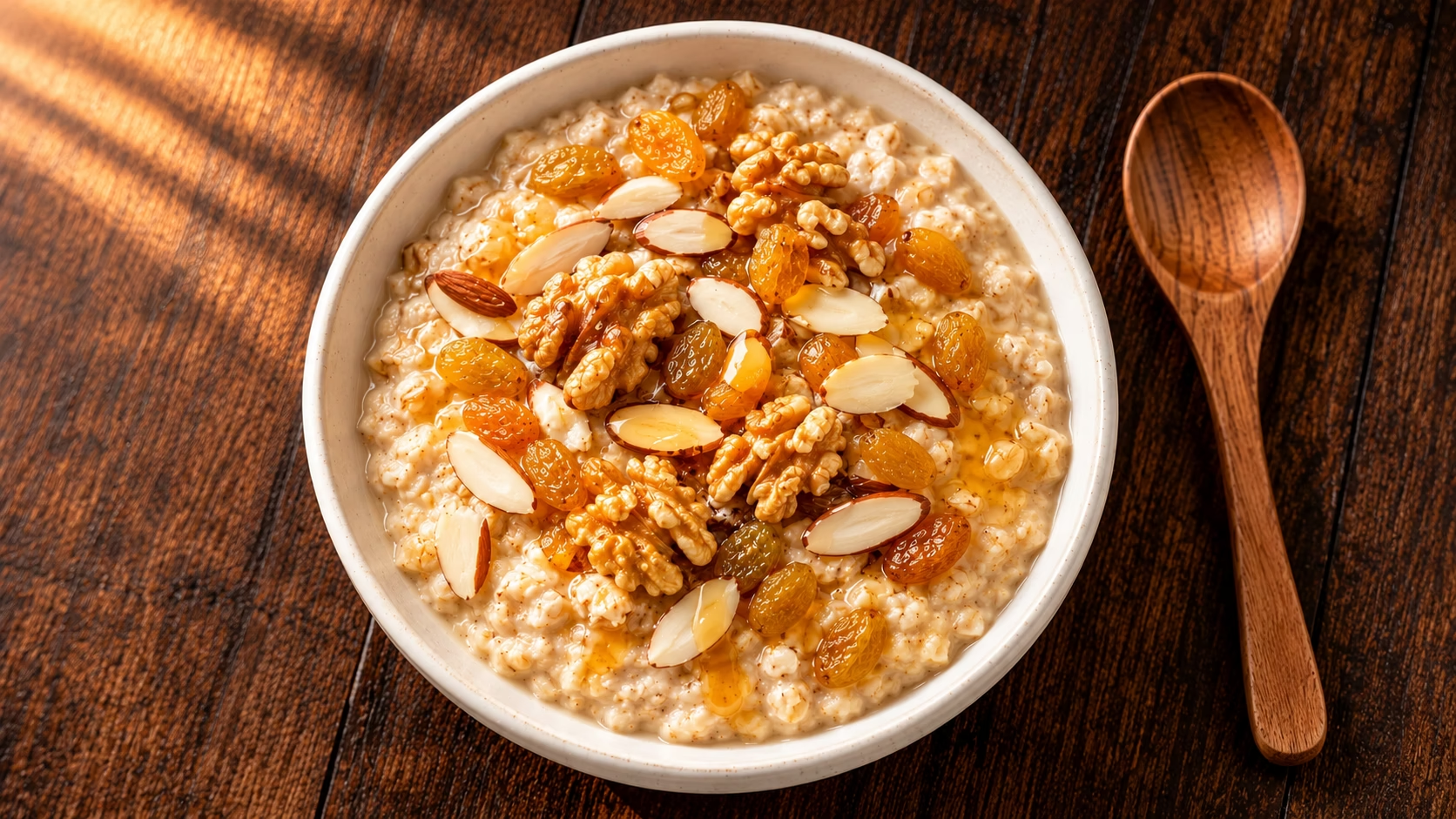
A bowl of oatmeal or porridge topped with a few soaked raisins, sliced soaked almonds, and a date or two is both delicious and nutritionally complete. The combination of oats and dry fruits gives you fiber, healthy fats, iron, and slow-releasing energy to carry you through the morning.
If you prefer smoothies, adding a soaked date or two as a natural sweetener eliminates the need for added sugar. Blending in a tablespoon of soaked raisins or a few cashews makes your smoothie creamier and more satisfying. In winter, you can make a warm smoothie using banana, dates, a pinch of cinnamon, and almond milk — it is filling, warming, and takes less than five minutes.
Dry fruits are incredibly versatile in cooking and work well with traditional winter dishes.
One of the best things about dry fruits is that they require almost no preparation. You can put together snack combinations in advance and keep them ready in small containers or jars.
Here are a few combinations that work well:
These combinations take about two minutes to prepare and can be portioned out for the week in advance, making it very easy to stick to the habit.
Dry fruits are naturally high in sugar, even though it is natural sugar. For people managing diabetes, this matters.
Raisins, dates, and dried figs have a higher glycemic impact compared to most nuts. This does not mean people with diabetes cannot eat them, but quantities need to be more carefully managed. Pairing these high-sugar dry fruits with protein or healthy fat — like eating dates with a few almonds — can help slow down the release of sugar into the blood.
Safer options for people with diabetes include:
It is always a good idea for anyone with diabetes to speak with their doctor or dietitian before making changes to their diet, including adding more dry fruits in winter.
Nut allergies are more common than many people realize, and they can be serious. Tree nut allergies — which include almonds, cashews, walnuts, and pistachios — affect a significant number of people and can cause reactions ranging from mild itching to severe anaphylaxis.
If you have a known nut allergy, the most important step is to get clarity from an allergist about exactly which nuts trigger your reaction. Not all nuts cause the same reaction in all people. Some people who react to cashews may be fine with almonds, and vice versa.
Safe alternatives among the dry fruits category for many people with nut allergies include:
Always read labels carefully, especially with packaged dry fruit mixes, where cross-contamination with nuts is very common.
For children:
Dry fruits are excellent for children in winter — they provide energy, iron, healthy fats, and nutrients that support growth and immunity. However, whole nuts are a choking risk for children under four years old. For young children, ground or crushed almonds and cashews are a safer choice. A pinch of almond powder in warm milk is a gentle way to give toddlers the benefits without the risk.
Older children (above five or six) can eat whole nuts but in smaller portions than adults — five to six almonds, two to three walnuts, and one date per day is appropriate.
For older adults:
Older adults often have reduced digestive strength, which means they may not absorb nutrients from raw, hard nuts as efficiently. Soaking dry fruits before eating them is particularly recommended for elderly individuals — soaked and peeled almonds are much easier to chew and digest.
Older adults should also be mindful of salt-roasted or flavored dry fruit products, which are high in sodium. Plain, unsalted dry fruits are always the better choice. Portion sizes can be slightly smaller for elderly individuals, and spacing dry fruit intake across the day rather than eating all at once tends to be gentler on the digestive system.
Winter gives you a very good reason to pay attention to what you eat. Your body works harder in the cold, your immunity needs more support, your digestion slows down, and your skin and hair take a hit from the dry air. Dry fruits address all of these things in a simple, practical, and genuinely tasty way.
The best dry fruits to focus on in winter are almonds, walnuts, cashews, dates, pistachios, raisins, and dried figs. Each of them brings something different — whether it is omega-3s from walnuts, iron from raisins, natural warmth from dates, or skin-protective vitamin E from almonds. Eaten together in reasonable portions, they cover a wide range of nutritional needs.
Eating them correctly matters just as much as eating them at all. Morning is the best time, soaking almonds and raisins improves their benefits, and keeping portions moderate ensures you get the nutrition without unnecessary extra calories.
Most people can eat dry fruits freely in winter. Those with diabetes, nut allergies, or specific health conditions should be thoughtful about which ones they choose and how much they eat. Children and older adults benefit from adjusted preparation methods to make dry fruits easier and safer to consume.
Start small if this is a new habit. A handful of soaked almonds and two walnuts in the morning is enough to begin with. Build from there as the habit settles in.
A reasonable daily total for an adult is around 30 to 40 grams of mixed dry fruits, which works out to roughly 10 almonds, 4 walnuts, 2 dates, and a small tablespoon of raisins. You do not need to eat every type every day — rotating through different dry fruits across the week is a practical approach. The key is consistency and not overeating any single type.
Yes, but only when portions are controlled. Dry fruits are calorie-dense, so eating them in the right amounts can actually support weight management by keeping you full, reducing cravings for junk food, and stabilizing energy levels throughout the day. The problem only arises when people eat large handfuls without paying attention to portions. A measured daily serving is beneficial. An unmeasured, constant snacking approach can lead to unintended weight gain.
For almonds and raisins, yes — soaking genuinely improves nutrient absorption and digestibility. For walnuts, soaking helps if you find them bitter or hard on your stomach. For cashews, pistachios, and most other nuts, raw consumption is perfectly fine. For dates and dried figs, soaking is optional and mainly depends on personal preference and digestive sensitivity. The short version is: soaking helps more than it hurts, but raw is not wrong for most dry fruits.
Dates and almonds are traditionally considered the most warming dry fruits, and this aligns well with their nutritional profiles. Dates provide quick natural energy and have warming properties in traditional medicine. Almonds provide healthy fats that generate warmth during digestion. Walnuts with their omega-3 content also support circulation and keep the body functioning efficiently in the cold. A combination of these three in your morning routine covers warmth and energy very well.
Yes, children can and should eat dry fruits in winter. For children above five years old, almonds, raisins, and dates are the safest and most beneficial options. Raisins can be introduced even earlier because they are soft and easy to chew. For very young children or toddlers, ground almond powder in milk is a practical alternative. Avoid giving whole nuts to children under four because of choking risk, and always introduce new foods gradually to watch for any allergic reactions.
In small amounts, yes. A few almonds, one date, or a small piece of dried fig in the evening is perfectly fine and will not cause any problems. In fact, the magnesium in almonds and the natural sugars in dates can support relaxation and sleep quality. What you want to avoid is eating large portions of calorie-dense dry fruits late at night, as your body is less active at that point and is not going to use that energy efficiently.
Some loss of heat-sensitive nutrients — particularly certain B vitamins and vitamin C — does occur when dry fruits are exposed to high heat for extended periods. However, the minerals (like iron, calcium, potassium, and magnesium) and healthy fats remain largely intact. Vitamin E is relatively stable under moderate heat. The practical takeaway is that adding dry fruits to cooked dishes is still nutritionally worthwhile, even if a small amount of some vitamins is reduced. For maximum nutrient retention, eating them raw or soaked is ideal, but using them in cooking is far better than not eating them at all.
They can, particularly almonds and walnuts. Almonds are a source of magnesium, which plays a role in calming the nervous system and supporting deep sleep. Walnuts contain melatonin — the hormone that regulates sleep cycles — making them one of the few foods that directly contribute to better sleep. Warm milk with a few soaked almonds and a date before bed is a traditional remedy in many cultures for exactly this reason. It is not a cure for insomnia, but for people who simply sleep lightly or feel restless in winter, this combination can make a gentle and noticeable difference.
No account yet?
Create an Account